
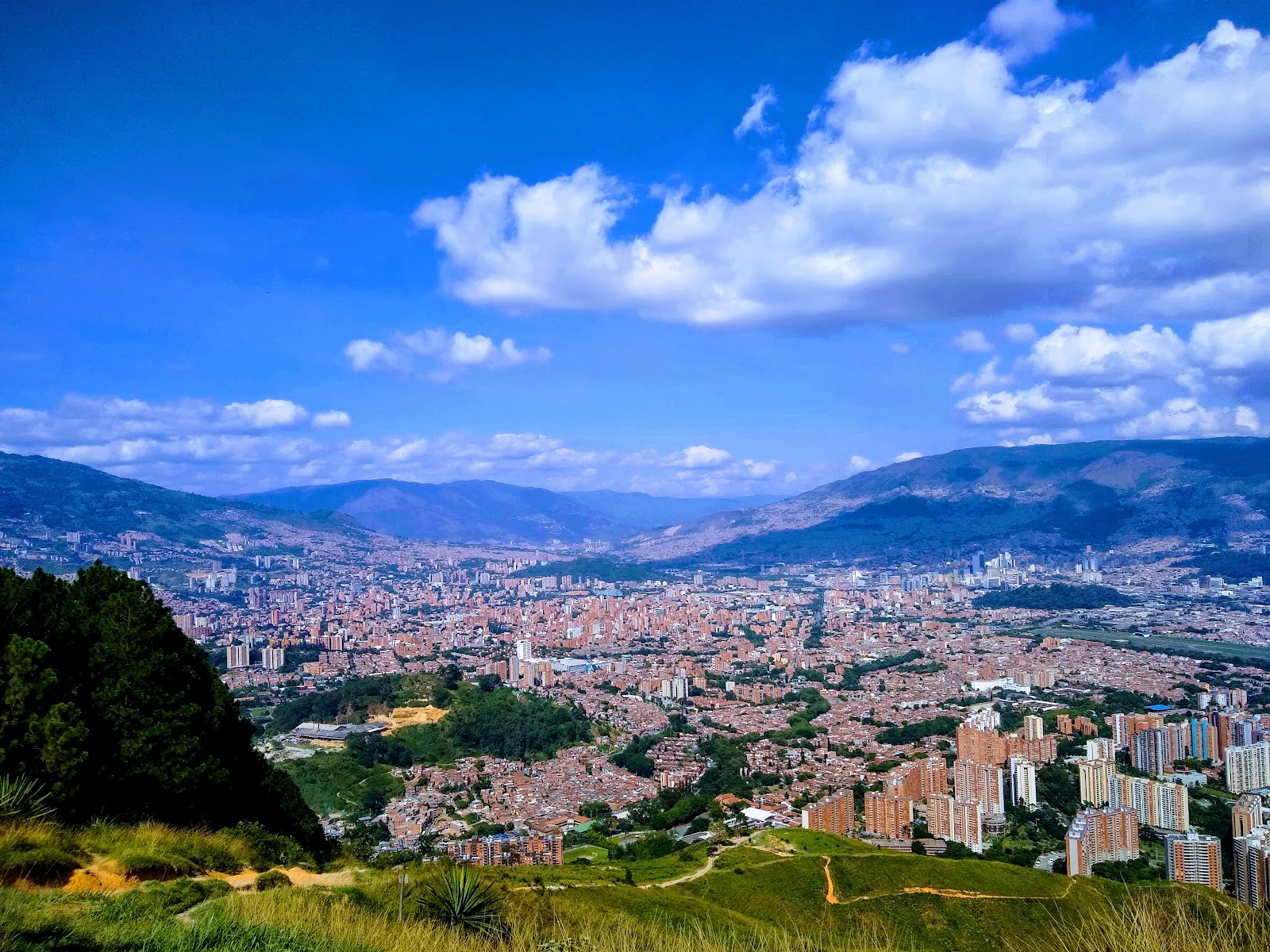
Yes, Medellín is safe to visit in 2026 with normal urban precautions. The city’s homicide rate has dropped over 95% from its 1991 peak, and tourist neighborhoods (El Poblado, Laureles, Envigado) are well-policed and busy day and night. That said, this is a city with real income inequality and street-level petty crime, so the precautions you’d take in any major Latin American city apply here too.
What the US State Department Says
Colombia as a whole sits at Level 3 — Reconsider Travel on the US State Department’s Colombia advisory (issued March 31, 2026, at our last check), which cites crime, terrorism, civil unrest, kidnapping and natural disasters. That headline level covers the entire country, from the Venezuelan border to the Pacific coast — it is not a description of Medellín specifically.
The advisory’s Level 4 “Do Not Travel” list names Arauca, Cauca (except Popayán), Valle del Cauca (except Cali), Norte de Santander, and anywhere within 10 km (about 5 miles) of the Colombia–Venezuela border. Medellín and the department of Antioquia are not on that list. That does not make the city risk-free — no advisory says that, and neither do we — but the US government’s own area-by-area guidance treats Medellín like Colombia’s other major visited cities, not like its conflict zones. Read the advisory yourself before you book, and again before you fly; it can change without much notice.
The Safest Neighborhoods for Visitors
Three areas cover almost every first-time visitor, and all three share the same ingredients: high foot traffic, lots of cafes and restaurants, and a steady police presence.
El Poblado
The most polished and international part of the city, and where most first-timers stay. Provenza is the dining and nightlife hub, and the streets around it stay busy day and night. The trade-off is that it is also where tourist-targeting petty crime concentrates, because that is where the tourists are — the habits further down this page matter most here. Our El Poblado guide breaks the area down block by block.
Laureles
More local and quieter than El Poblado, with a café and restaurant scene good enough that plenty of repeat visitors prefer it — see our Laureles restaurant picks. It draws fewer tourists, which in practice means less of the opportunistic theft that follows them. Details in the Laureles area guide.
Envigado
Just south of El Poblado, extremely safe, and growing as a tourist neighborhood while staying residential at heart. It suits slower trips and longer stays; the Envigado guide covers where to base yourself. Stay in any of these three and location will not be your safety problem.
Where to Be More Cautious
Centro (downtown) is fine to visit during daylight for Plaza Botero and the museums, but most travelers don’t linger after dark. Comuna 13 is now safe to visit during the day with a guide; do not wander the back streets alone. Avoid taking taxis hailed off the street late at night — use Uber or inDriver instead.
Medellín at Night
The short version: stay where the crowds are, and ride between neighborhoods instead of walking.
In El Poblado, Provenza and the blocks around Parque Lleras stay busy with diners and bar crowds late into the night, busiest Thursday through Saturday — for a venue-by-venue view of the Lleras area, LlerasPark.com covers it street by street. In Laureles, the La 70 strip is a Friday and Saturday night out — venues fill from about 10 PM to 1 AM, covers are lower than in Provenza, and on weeknights much of the strip is quiet. The full rundown is in our Medellín nightlife guide.
Getting home is the part that deserves the most care. Order an Uber or inDriver to the door — rides within El Poblado, Laureles and Centro typically run $3–8 USD, so there is no reason to flag a street taxi at 1 AM or to walk twenty dark blocks to save it. And the drink-spiking warning in the scams list below is a nighttime rule above all: order at the bar yourself and keep your glass in sight.
Common Scams to Watch For
- Drink-spiking at nightlife venues. Order at the bar yourself; never accept a drink from a stranger; watch your glass.
- Distraction theft in busy areas. Someone bumps you while a partner picks your pocket. Keep phones in front pockets.
- Fake police checkpoints. Real police don’t ask for cash on the spot. Politely ask for paperwork; if they want a “fee” to let you go, ask to be taken to the station.
- Phone snatching from outdoor cafes. Don’t leave your phone on the table when you’re looking elsewhere.
Practical Safety Habits
Use Uber or inDriver instead of street taxis. Keep $20–40 in a “decoy” wallet and your real cards/cash separate. Don’t flash a brand-new iPhone in Comuna 13 or busy markets. Drink from sealed bottles only when you can’t see your drink being poured. Carry a copy of your passport, not the original. Most importantly: walk like you know where you’re going — confident, normal pace.
For American and Other Foreign Visitors
Practical notes if you are coming from the US, Canada or Europe. Check the State Department advisory (or your own government’s equivalent) shortly before you travel rather than relying on a months-old screenshot. Colombia’s immigration authority also asks travelers to complete the free Check-MIG form online around their flight — do it on the official Migración Colombia site only, and ignore third-party sites that charge for it.
English is limited outside hotels and tour contexts, so have your hotel name written down for drivers. If you are traveling alone, our guide for solo female travelers covers the extra layer of judgment calls in detail.
Tap Water and Food Safety
Medellín’s tap water is safe to drink — it’s one of the few major cities in Latin America where this is true. Street food is generally fine; eat where locals are eating and you’ll be on solid ground.
FAQ
Is Medellín safe for tourists right now?
Yes, with normal big-city precautions. Base yourself in El Poblado, Laureles or Envigado, use ride apps after dark, keep your phone off cafe tables, and the overwhelming majority of trips pass without incident. The US advisory for Colombia is Level 3 overall, but Medellín is not on its Do Not Travel list — see the State Department section above.
Is Uber safe in Medellín?
Uber, DiDi, inDrive and Cabify all work here and most visitors use them daily — they are the standard advice over street taxis at night. None of them is fully legal in Colombia, a contradiction that has lasted since 2020, which is why drivers may pick you up around the corner and ask you to sit in the front seat. How that plays out in practice, including at the airport, is in our Uber in Medellín guide.
Is Comuna 13 safe to visit?
Yes, during the day and with a guide — it is one of the city’s most-visited experiences. Go as part of a tour rather than wandering the back streets alone; guided visits start around $16–21 and the ones we list cancel free up to 24 hours before the start. Compare options in our Comuna 13 tour guide.
Can you drink the tap water?
Yes — Medellín’s tap water is safe to drink, which is rare for the region. The caveats (and what to do outside the city) are in our tap water guide.
🏨 Stay in a Safe Neighborhood
El Poblado and Laureles are both excellent. Compare hotels in the safest tourist areas:
Where to stay in Medellín
The hotels guests rate highest in Medellín right now, if you want to stay close by.


Comparing more options? Browse every hotel in Medellín on Expedia for your dates.
Guest ratings: Agoda verified reviews.
Booking Tours Through Reputable Operators
For Comuna 13, Guatapé and other day trips, book through an established platform rather than with a street seller — you get a named operator, reviews and a free-cancellation window. The booking strip at the top of this page has our current picks, our Comuna 13 comparison ranks that tour by budget, and the Medellín tours page covers everything else.
Related guides: Common scams in Medellín and how to avoid them · Is the tap water safe to drink?
