
Comuna 13 is the single most-visited tourist site in Medellín — and for good reason. What was the most violent neighborhood in the most violent city in the world during the 1990s has been transformed by a generation of artists, the world’s first outdoor public escalator system, and a community that decided to tell its own story. A graffiti tour here is the best way to understand modern Medellín.
What Comuna 13 Is — and Why Everyone Goes
Comuna 13 (San Javier) is a hillside district on Medellín’s western edge that spent the 1980s and 90s as the most dangerous neighborhood in the most dangerous city on earth — controlled first by cartel-aligned militias, then guerrillas, then paramilitaries. In October 2002, Operation Orión — the largest urban military operation in Colombia’s modern history — swept the comuna with helicopters and 1,500 troops while residents hid under beds. What came after is why you’re visiting: community organizing, hip-hop culture, and a bet by the city on infrastructure instead of force.
In December 2011 the city inaugurated the famous outdoor escalators — six covered flights climbing about 384 meters of hillside that once took residents 350+ stair steps to walk. Street artists turned the surrounding walls into a living gallery of murals that tell the neighborhood’s story: elephants that never forget, white flags, hummingbirds, portraits of grandmothers who fed the displaced. Today it’s the most visited attraction in Medellín.
The Graffiti — What You’re Actually Looking At
This isn’t decoration; it’s testimony. The murals along the escalator route and Calle 42B commemorate specific events — Operation Orión, the desaparecidos, the community’s women — and many were painted by artists who grew up during the violence. The art changes constantly, which is part of the point: walls get repainted as the story evolves. A good local guide will stop at five or six key pieces and decode the symbols; without that context you’re just photographing colorful walls.
Between murals you’ll pass breakdance crews, freestyle rappers, and kids selling paletas — performance is the neighborhood’s second economy, so carry small bills to tip. The rooftop cafés and viewpoint platforms at the top of the escalators give you the full sweep of the Aburrá Valley.
Do You Need a Tour?
You can enter Comuna 13 freely — there’s no gate and no ticket. But go with a guide, ideally one born in the barrio. The difference between a guided visit and a solo wander is the difference between hearing what a mural means from someone whose family lived it, and guessing. Options in 2026:
- Tip-based walking tours: run daily, typically 10am, 2pm and 4pm slots, ~2.5 hours. Free to join; tip 30,000–60,000 COP per person.
- Paid small-group tours: ~90,000 COP (~$27) including hotel pickup on some options — compare on our Comuna 13 tours page.
- Graffiti-artist-led tours: led by the neighborhood’s own artists and hip-hop collectives — the deepest version of the story.
Getting There
Take Metro Line B to San Javier (about 20 minutes from San Antonio). From the station it’s a short taxi (5–10 minutes) or a 20-minute uphill walk to the base of the escalators. Most guided tours meet at San Javier station itself. Total cost by metro: 4,400 COP each way.
Morning vs Afternoon — and the Sunday Problem
Weekday mornings (9–11am) are the sweet spot: cool light, working neighborhood atmosphere, murals to yourself. Afternoons bring better golden-hour light on the valley but bigger crowds and more heat. Sundays are shoulder-to-shoulder — locals and tourists together — and the escalators become a queue. If a Sunday is your only option, go at 9am sharp.
What It Costs
- Entry: free
- Metro round trip: 8,800 COP
- Tour: tip-based (30,000–60,000 COP) or ~90,000 COP paid
- Street food: mango biche, empanadas, and the famous soft-serve cremas for a few thousand pesos each
- Budget half-day total: under 100,000 COP (~$30) including a generous tip
Safety in 2026
On the main graffiti route during daylight, Comuna 13 is one of the more police-patrolled, tourism-invested corners of Medellín — tens of thousands visit weekly without incident. The rules that matter: stay on the escalator/mural circuit unless you’re with a local, keep phones zipped between photo stops, go before dark, and don’t buy drugs (it’s both dangerous and an insult to what this neighborhood survived). Solo travelers are fine on group tours. More in our Medellín safety guide.
Etiquette — This Is a Living Neighborhood
Roughly 130,000 people live in Comuna 13, and the tour route runs past their front doors. Ask before photographing residents, don’t point cameras into homes, tip the performers whose shows you watch, and buy something — a coffee, a crema, a print from an artist. Tourism money staying in the barrio is the entire point of the transformation story.
Photo Tips
- Morning light hits the valley view best from the upper platforms; late afternoon backlights the murals.
- The escalator mid-stations frame the orange-brick hillside — shoot down the flights.
- A phone is safer and less conspicuous than a big camera; keep it strapped.
- Ask artists before photographing them at work — then tip or buy a print.
Common Mistakes to Avoid
- Going guideless and leaving with pretty photos but no story
- Sunday afternoon visits — the escalators become a human traffic jam
- Wandering off the main route to “explore” — respectful and safe are the same thing here
- Treating it as an Escobar site: locals will correct you, politely but firmly. For that history, visit the Museo Casa de la Memoria instead.
- Forgetting small bills for tips, snacks, and artists
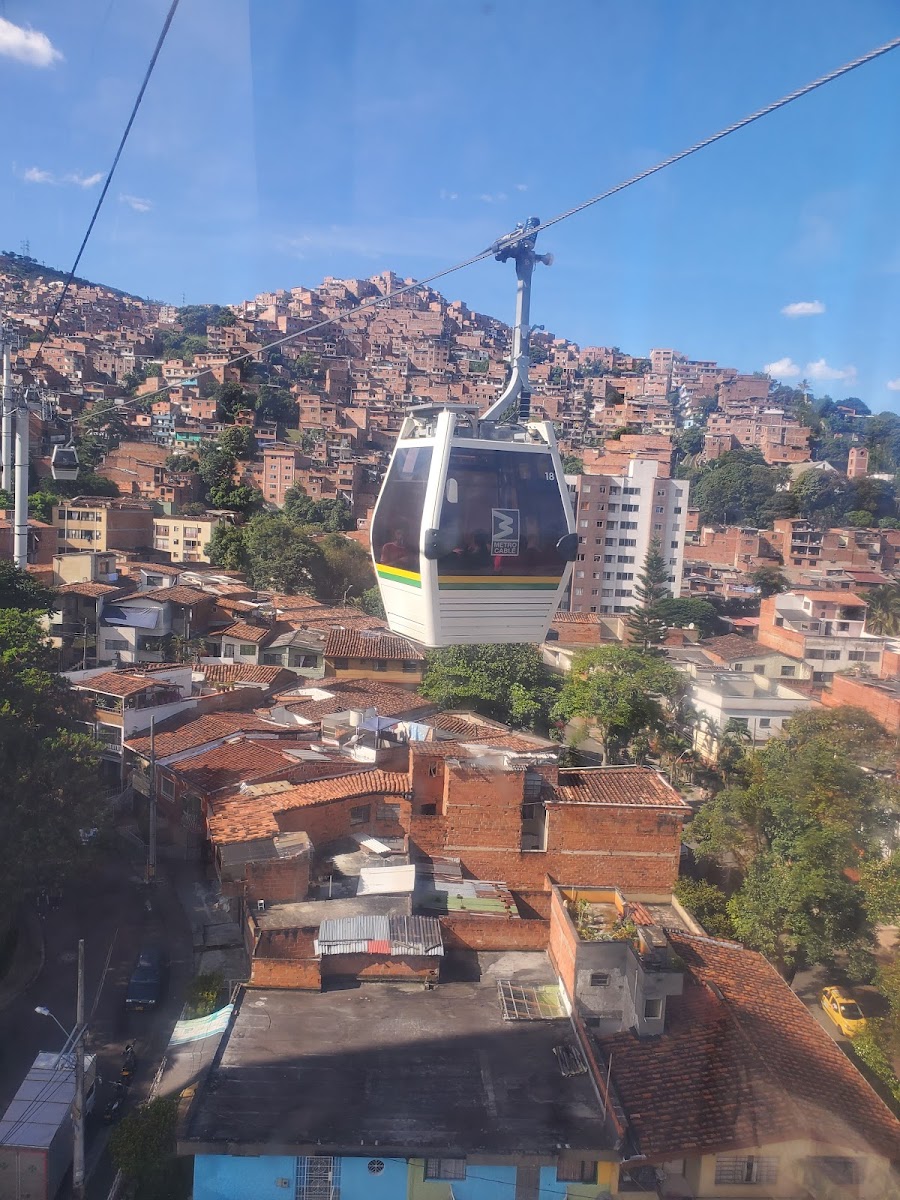
Go deeper: Comuna 13 is one of sixteen — our guide to Medellín’s comunas explains the rest, the Metrocable guide covers Line J over Comuna 13 and Line K over Comunas 1–2, and the miradores guide ranks the escalator viewpoints against the city’s other lookouts.
Comuna 13 FAQ
Is Comuna 13 safe for tourists?
Yes — the main tourist circuit is heavily visited and patrolled during the day. Use normal city awareness, stay on the route, and leave before dark.
How long does a visit take?
2.5–4 hours including the escalators, murals, a show or two, and a rooftop coffee. Half a day door-to-door from El Poblado or Laureles.
Is it free?
Entry is free. Budget for metro fare, tips, and street food — under $30 total for a generous visit.
Can you do Comuna 13 and Guatapé in one day?
Not comfortably. Pair Comuna 13 with the Metrocable or a Centro walking tour instead, and give Guatapé its own day.
🎟️ Top Comuna 13 Tours
The most-booked Comuna 13 tours, filtered by category:
🏨 Hotels Near Comuna 13
Most travelers don’t stay near Comuna 13 itself — they stay in El Poblado or Laureles and Uber over (15–25 min). Compare hotels in the closer central neighborhoods:
Where to stay in Medellín
The hotels guests rate highest in Medellín right now, if you want to stay close by.


Comparing more options? Browse every hotel in Medellín on Expedia for your dates.
Guest ratings: Agoda verified reviews.
Tips for visiting Comuna 13
First, it helps to understand the story, because Comuna 13 is famous as much for its transformation as for its art. Indeed, what was once one of the city’s most troubled neighborhoods is now known for its outdoor escalators, music and murals. For this reason, most visitors come on a guided walking tour, since a local guide can explain the history behind each piece of street art. In addition, going with a guide supports the community directly.
As for timing, mornings are generally calmer, whereas midday and weekends get busy with crowds. Meanwhile, you should bring water and sun protection, because the hillside steps and escalators are quite exposed. Afterwards, take time to buy a snack, a coffee or a print from local vendors, as tourism is now an important part of the area’s income. Finally, to get there, ride the Metro to San Javier and then continue by a short connection up the hill.
