

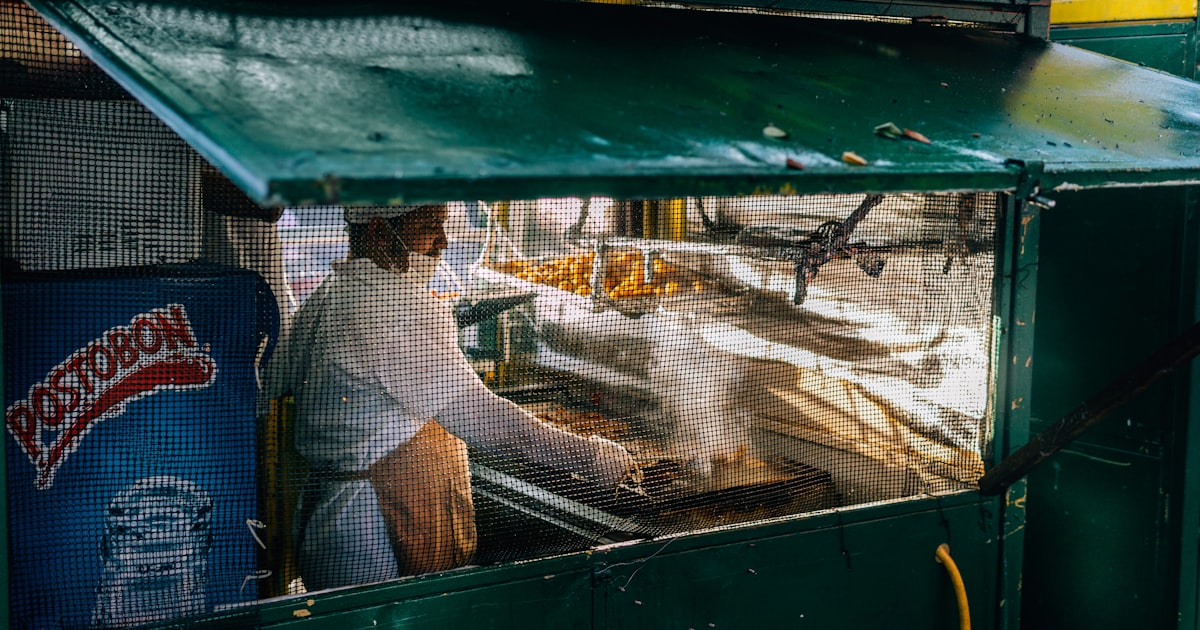
Medellín’s street food and market scene is one of the most rewarding and affordable ways to eat in the city. From arepas con queso grilled on charcoal carts at dawn to the bustling food halls of Mercado del Río and Mercado de Laureles, the city feeds itself cheaply and well. Budget $3–8 USD for a satisfying street meal; $12–20 USD for a full experience at one of the better food markets.
The Essential Street Foods
Arepa de Chócolo
The sweet corn arepa stuffed with fresh white cheese is Medellín’s most iconic street snack — cooked on charcoal grills set up on sidewalk corners, particularly in the morning (6–10 AM) and evening (6–9 PM). Look for the vendors with the smoking griddles near metro stations (especially Industriales and Estadio on Line A) and throughout El Poblado on weekend mornings. Price: 3,000–5,000 COP ($0.75–1.25 USD).
Empanada de Pipián
The Colombian empanada uses a masa (corn dough) shell rather than wheat pastry, giving it a distinct golden-fried exterior. Pipián (potato and peanut filling) is the traditional Antioquian version; others come filled with beef, chicken, or cheese. Best eaten with ají (the green herb hot sauce served in small cups). 2,000–3,500 COP per empanada from street vendors.
Buñuelo
Colombian buñuelos — fried cheese dough balls — are eaten for breakfast and as afternoon snacks. Crispy exterior, soft cheese interior, and a slightly sweet dough that distinguishes them from Mexican or Spanish versions. Every bakery and many street carts sell them; a bag of four costs around 4,000 COP ($1 USD).
Chontaduro
The chontaduro (peach palm fruit) is a distinctive Medellín street snack — boiled and sold from baskets by vendors throughout the city. Served with salt or honey and eaten warm, it has a starchy, nutty flavor unlike anything in North American or European food culture. Find vendors near Parque Berrío in Centro and throughout El Poblado. One fruit: 1,000–2,000 COP.
Obleas
Thin wafer discs filled with arequipe (dulce de leche), fresh cheese, jam, or cream. The oblea vendor with a glass cart of toppings is a fixture in every Medellín park and plaza. A fully loaded oblea (multiple fillings) costs 4,000–7,000 COP and constitutes a genuine dessert experience.
Mazamorra con Panela
Mazamorra is a traditional Antioquian corn porridge served sweet with panela (raw cane sugar) and fresh milk. It’s a before-bed or afternoon snack found in traditional tiendas and from cart vendors in Centro. The combination of the starchy corn with the sweet milk is deeply regional and rarely exported beyond Antioquia.
Best Food Markets in Medellín
Mercado del Río
Medellín’s largest and most famous food market, Mercado del Río near the Centro/Laureles border houses 40+ food vendors under one industrial-chic roof. The range is enormous: sushi, Lebanese, Thai, seafood, traditional Colombian, wood-fired pizza, and artisan cocktail bars. Best visited for lunch (12:30–2:30 PM) or early dinner (6:30–9 PM). Parking is difficult — take an Uber. Budget 30,000–50,000 COP ($8–13 USD) per person for food and a drink.
Mercado de Laureles
The Laureles municipal market covers both a traditional produce hall (excellent for fresh tropical fruits, local cheeses, and spices) and a growing food court section with cooked food stalls. This is more of a local’s market than a tourist destination — prices are lower, the vibe is more authentic, and the produce section is one of the best places in the city to see tropical fruits you’ve never encountered before (mamoncillo, zapote, nances, pitahaya).
La Galería Central
The covered market halls in Centro — particularly La Galería around the Minorista market — are the most authentic street food environment in the city. Corrientazos (daily lunch specials: soup, protein, rice, beans, juice) available for 10,000–14,000 COP ($2.50–3.50 USD). This is where Medellín’s working population eats. Basic, filling, genuine.
Mercado San Alejo (First Saturday)
Held the first Saturday of each month at Parque El Poblado, San Alejo is a combined artisan and food market. Specialty coffee roasters, artisan chocolate makers, homemade hot sauce vendors, and organic produce sellers alongside craft jewelry and art. Excellent for food souvenirs and a leisurely Saturday morning browse.
Juice Bars & Tropical Fruit
Medellín sits at the intersection of altitude and tropics — meaning fruits from both climates grow within a short distance. Juice bars throughout the city offer jugos naturales (freshly blended) in two styles: en agua (blended with water) or en leche (with milk). The best juices: lulo (tangy citrus-like), maracuyá (passion fruit), guanábana (soursop), mora (blackberry), and tomate de árbol (tree tomato). Price: 4,000–8,000 COP ($1–2 USD) for a large glass.
Food Tours


Where to Stay
Find Hotels in Medellín
Search real-time availability & prices — book with confidence
Featured Medellín Hotels
Top picks — loading live prices…
